Introduction
In Cooperative Housing Societies, especially in projects like NDZ areas where there is no municipal water supply, societies are entirely dependent on paid tanker water. This creates a critical financial ecosystem where continuous water supply is directly linked to timely payment of maintenance by all members.
A recurring issue arises when certain members default on maintenance charges but continue to demand uninterrupted water supply, thereby placing an unfair burden on compliant members.
This article examines the legal validity, judicial interpretation, and practical framework supporting a society’s right to restrict or disconnect direct water supply in such situations.
Legal Foundation: Obligation to Pay Maintenance
Under the Maharashtra Cooperative Societies Act, 1960, every member is legally obligated to pay:
- Monthly maintenance
- Water charges
- Repairs & upkeep
- Common services
👉 Non-payment is a statutory default, and societies are legally empowered to recover dues.
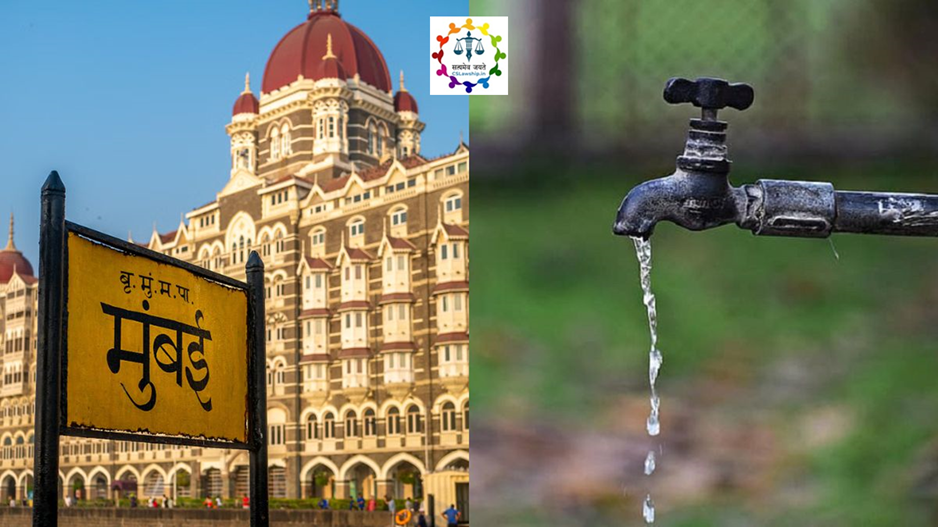
Municipal Parallel: BMC’s Right to Disconnect Water
Under the Mumbai Municipal Corporation Act, 1888:
- Section 169 – Recovery of water charges
- Section 170 & 173 – Power to disconnect water supply for non-payment
👉 Thus, even a statutory authority like BMC disconnects water supply for non-payment, establishing a strong legal principle:
“No payment = No service continuation”
Key Judicial Precedent – Bombay High Court The Bombay High Court clearly held: “A member cannot default on his obligation to the society and at the same time raise a grievance of violation of rights.” |
Key Takeaways:
- Payment of dues is mandatory
- Complaints do not justify non-payment
- Defaulting members cannot claim equity
👉 This judgment strongly supports the society’s right to enforce discipline.
Ground Reality: Tanker Water Dependency Crisis
In NDZ and similar areas:
- No BMC water supply
- 100% dependency on paid tanker water
- Immediate vendor payments required
Impact of Non-Payment:
- Society cannot pay tanker suppliers
- Water supply to entire society is jeopardized
- Financial burden shifts to honest members
👉 This creates a collective survival issue, not just an individual dispute.
Can Society Disconnect Water? – Legal Interpretation
General Rule
- Water is considered an essential service
- Arbitrary disconnection is not encouraged
However – Practical & Legal Exception Applies
Where:
- Member has long-standing unpaid dues
- Society depends on tanker water (paid service)
- Recovery proceedings initiated under:
- MCS Act Section 101 / 154B-29
- Recovery process is delayed
- Society is unable to sustain payments
👉 Restriction or disconnection of direct water supply becomes justified
Legally Sustainable Model (Highly Recommended)
✅ Step 1: Restrict Direct Supply
- Disconnect water line to defaulting flat
- Reduce wastage and misuse
✅ Step 2: Provide Alternative Minimum Supply
- Allow access to common water tap
- Ensure basic daily water needs
✅ Why This Model is Legally Strong
- No complete denial of essential service
- Society ensures minimum human requirement
- Simultaneously enforces financial discipline
- Protects rights of paying members
Supporting Legal Principles
1. Doctrine of Equity
No member can benefit at the cost of others
2. Cooperative Principle
Society functions on mutual contribution
3. Financial Sustainability Doctrine
Essential services dependent on payment cannot be misused
4. Judicial Support
Bombay HC clearly states:
- Default ≠ Right to claim services
Important Legal Distinction
| Authority | Power to Disconnect |
|---|---|
| BMC | ✅ Absolute statutory power |
| Society | ⚠️ Conditional but justified in structured cases |
Mandatory Safeguards Before Disconnection
Society must follow due process:
- Issue written demand notices
- Provide reasonable time to pay
- Pass Managing Committee resolution
- Initiate recovery under:
- MCS Act Sec 101 / 154B-29
- Record financial inability to sustain tanker supply
- Ensure alternative water via common tap
Why Courts Will Support Society in Such Cases
Courts will consider:
- Collective hardship vs individual default
- Financial viability of society
- Fairness to paying members
- Intent of defaulter
👉 Where society acts reasonably and proportionately, courts are likely to support such action.
Critical Observation
The law does not allow:
❌ Members to enjoy services without payment
❌ Misuse of “essential services” as a shield
❌ Financial exploitation of other members
Conclusion
The legal position is clear and evolving:
- BMC disconnects water for non-payment
- Members must pay maintenance first
- Society has right to enforce discipline
👉 In tanker-dependent societies, restricted water supply is not punishment — it is necessity
Balanced Legal Position:
- No complete denial of water
- Minimum access must be ensured
- Direct supply can be restricted
CS Lawship Expert Note
A Cooperative Housing Society can legally restrict or disconnect direct water supply to a defaulting member, provided:
✔ Due process is followed
✔ Recovery proceedings are initiated
✔ Minimum water access is ensured
This creates a legally sustainable, fair, and enforceable model protecting the entire community.
Note
This article supports Cooperative Housing Societies in maintaining financial discipline, fairness, and sustainability, while ensuring compliance with legal principles and judicial interpretations.
Disclaimer: The content published on CSLawship.in is for informational and educational purposes only and does not constitute legal, tax, or professional advice. Readers are advised to seek independent professional consultation before acting on any information. CSLawship.in shall not be liable for any reliance placed on the content.
Societys Right to Disconnect / Restrict Water Supply for Non-Payment of Maintenance – Legal Position, Case Laws & Practical Framework
Share This Blog
Spread the word! Share our blog on your favorite platform or send it to your friends.